
Foods chickens can and can’t eat
June 10, 2026
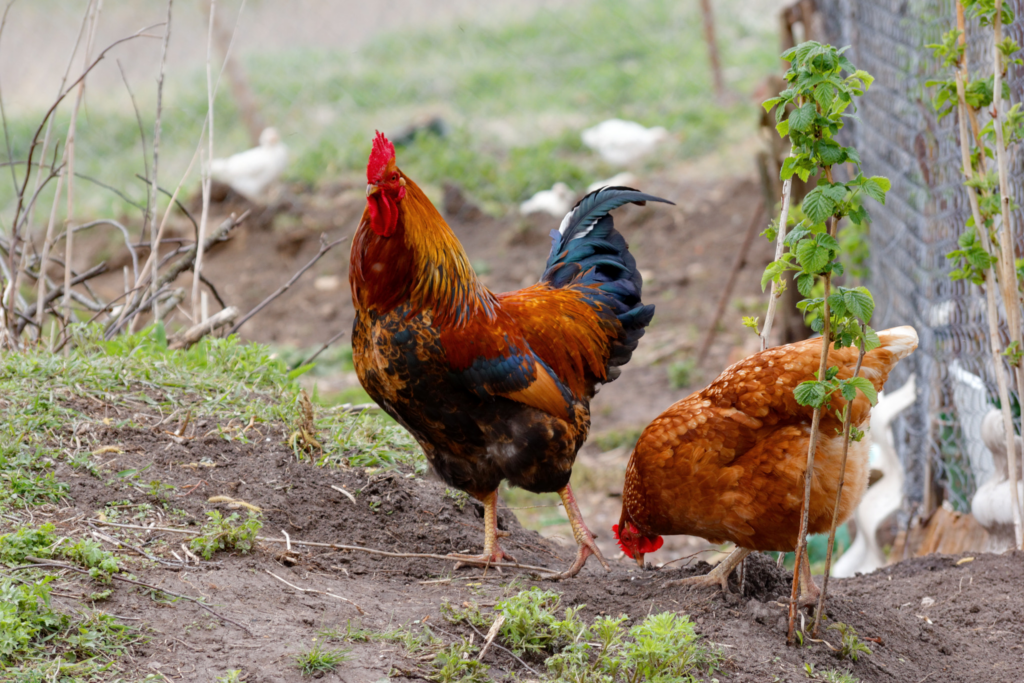
Chickens are omnivores and can eat a surprisingly wide variety of foods. Many kitchen scraps that would normally end up in the bin can become a healthy snack for them instead. At the same time, not everything belongs in the coop. Some foods can be harmful or even toxic to chickens.
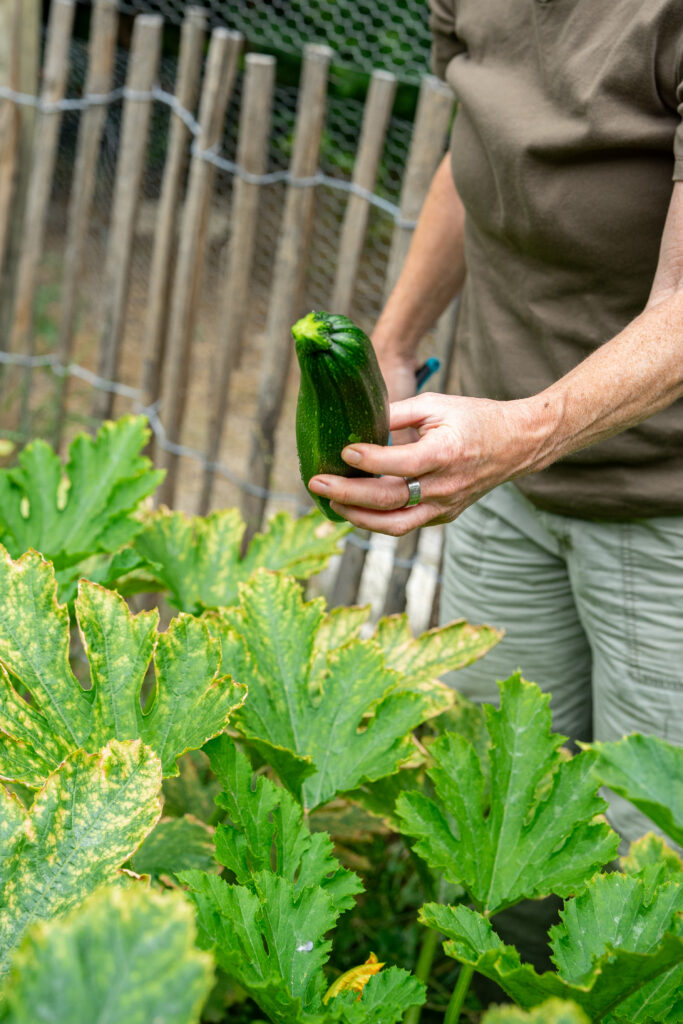
Most fruit and vegetable scraps are safe options. Leftover lettuce leaves, cucumber ends, carrot peels or extra zucchini from the garden can all be given to chickens rather than thrown away. Broccoli stems, cabbage leaves, spinach and green beans are also often fed on homesteads, especially during the growing season when gardens produce more than people can eat.
Fruits can become refreshing treats during warmer months as well. Watermelon, berries and small pieces of grape are often favorites, while bananas can also be given once the peel is removed. Tomatoes are safe too, though the leaves and stems should always stay out of the coop.
Beyond produce, chickens can eat many grains and proteins people already have at home. Plain rice, oats and leftover unseasoned pasta are all common additions to their diet, while eggs, fish and meat provide extra protein. Crushed eggshells are often returned to chickens as a natural source of calcium that helps support healthy egg production.
Some foods, however, should always be avoided. Avocado, especially the skin and pit, contains compounds that can be toxic to birds. Chocolate and coffee grounds are unsafe as well, along with moldy or fermented food. Raw or dried beans, green potato skins, raw potatoes and rhubarb leaves should never be fed to chickens either. Certain foods are not toxic but are still best kept limited. Too much onion, garlic or citrus can upset chickens’ digestive systems, while seeds should always be removed before feeding apples.
One of the most interesting things about raising chickens is how it changes the way people think about waste. Suddenly, food scraps are no longer just garbage. The chickens eat what they can, produce eggs, scratch through compost and contribute nutrients back into the soil that helps grow future food.
Spending time around them also encourages something else that modern life often removes: awareness. You begin noticing how much food gets discarded unnecessarily and how interconnected natural systems are.
At La Belle Eco, very little goes to waste. Vegetable scraps from the kitchen make their way back into the ecosystem, either through compost or through the chickens, who transform leftovers into eggs. They are part of the rhythm of the homestead itself, reminding us that sustainability begins with paying closer attention to the small cycles happening around us every day.
Comments will load here
Be the first to comment